Hospitality · Menu & margin
15% more profit, from the menu you already have.
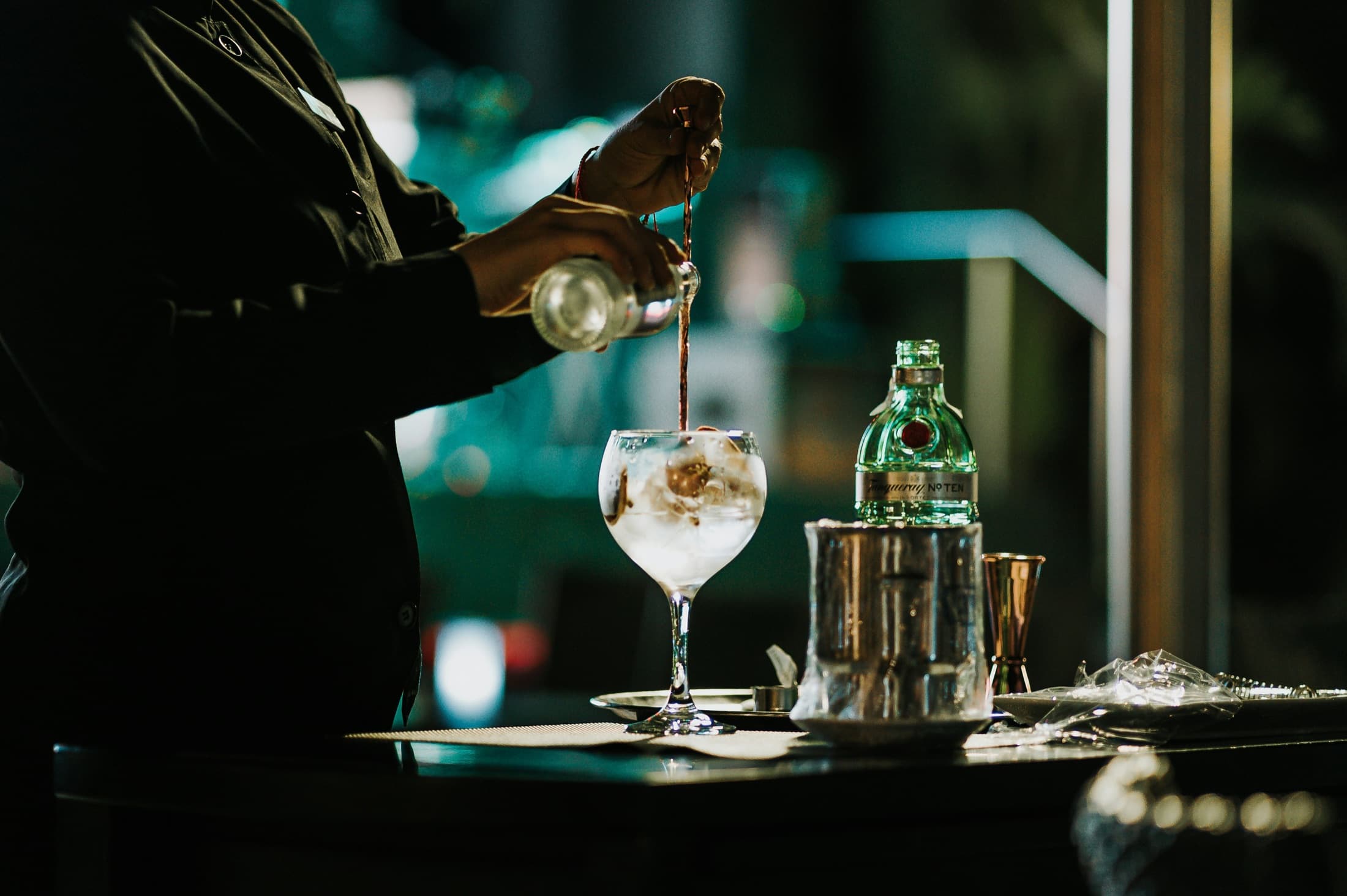
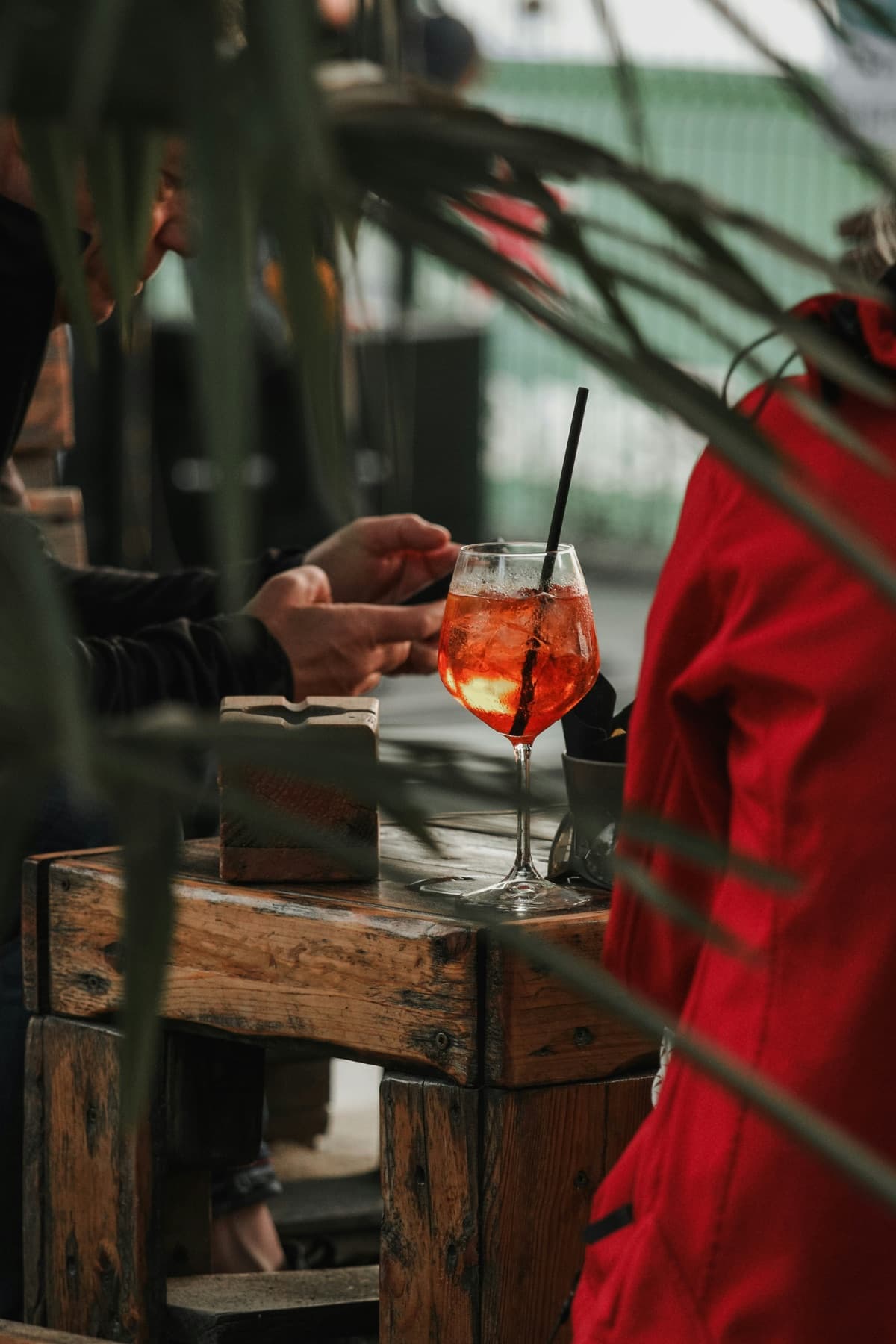
A second menu, signatures only, each shown with a photo. Some guests take the €9 signature over the €7 standard because they can see it, and that difference is pure margin. Across the room, a menu built this way lifts plate profit by 15%. No new guests, no new cost, built once. These are my numbers, not a borrowed statistic. In fifteen minutes I run yours.
Opens WhatsApp. No deck, bring your menu.
The numbers
Two changes to the same room, and what each one adds.
This is not a borrowed statistic. It is a worked example on the prices charged here: cocktails at €7, signatures at €9. I do not promise you these figures. I show you how I would find yours in fifteen minutes.
Fill the room
€8,800–14,500 /mo
€3,800 floor, even if no one returns
A board on the beach takes a 22-table room from 14% full to 60-68. The free first cocktail is covered by the paid second the same night.
Lift the check
+€500–1,900 /mo
pure margin, built once
A second menu, signatures only, each with a photo. Guests pick the €9 over the €7 because they can see it. +€2 every time.
The work
Five things leak margin. I work on all five. Two others I won't touch, and I'll tell you which.
Most of what drains a good venue falls into five buckets. I do not pretend to fix everything. Your rent and your staffing are not my job, and I will say so in the first fifteen minutes.
A menu that sells
Built around the one thing you are best at, priced and laid out to move guests toward margin. We build it both ways: a print menu for the table and a digital one guests scan, both running the same logic.
See a live digital menu →Service that flows
Ordering and handoff fixed so guests are not waiting, walking, or unable to order in the rush. Every delay is a lost round.
A place people remember
A clear identity and a reason to come back, so the tourist is not a one-time cover and the local knows what you are.
View more →Numbers you can see
What actually sells, by scan and by mix, so you stop guessing and start deciding.
Staff on the guest, not the screen
Free your people from the POS to do the one thing tech cannot: make someone feel looked after.
Seven things move a venue's money. I own five. Ask me about the other two and I'll point you to who does.
The quiet leak
Your menu is a price list. It should be doing sales.
A passive menu lets guests order the cheapest thing they recognise. Service delays at peak send full tables out the door before they order a second round. Nobody remembers what you are, so the tourist comes once. None of this shows up as a loss on paper. That is exactly why it never gets fixed.
Plate profit
+15% on the same covers
what an engineered menu adds. Same guests, same covers.
Studies put a re-engineered menu at a few percent of check, per guest, per visit (Cornell, Stanford). On your covers, that is not small. I do not promise a number I have not measured on your floor. I show you where yours is going.
The audit
Fifteen minutes. You leave with three things to change, work with me or not.
Show me your menu and tell me your busiest problem.
I tell you the one thing costing you the most, and how I would fix it.
You walk away with three concrete changes. No deck, no pitch.
If there is nothing worth fixing, I will tell you that too. That is the whole point of fifteen minutes instead of a proposal.
Book
See if we're a fit.
Fifteen minutes. You will know more about where your money goes than a season of guessing.
Opens WhatsApp. No deck. No obligation. Bring your menu.